
In short, APA identifies RTD as an abbreviation for Rated: RTD Sheathing means Rated Sheathing, which can be plywood or OSB. The circulating temperature-sensor explanation does not define a structural grade. For a plywood RTD enquiry, specify the complete panel rating and bond classification. Minh Thanh Plywood offers exterior/CDX-type panels for buyers to assess against their project requirements.
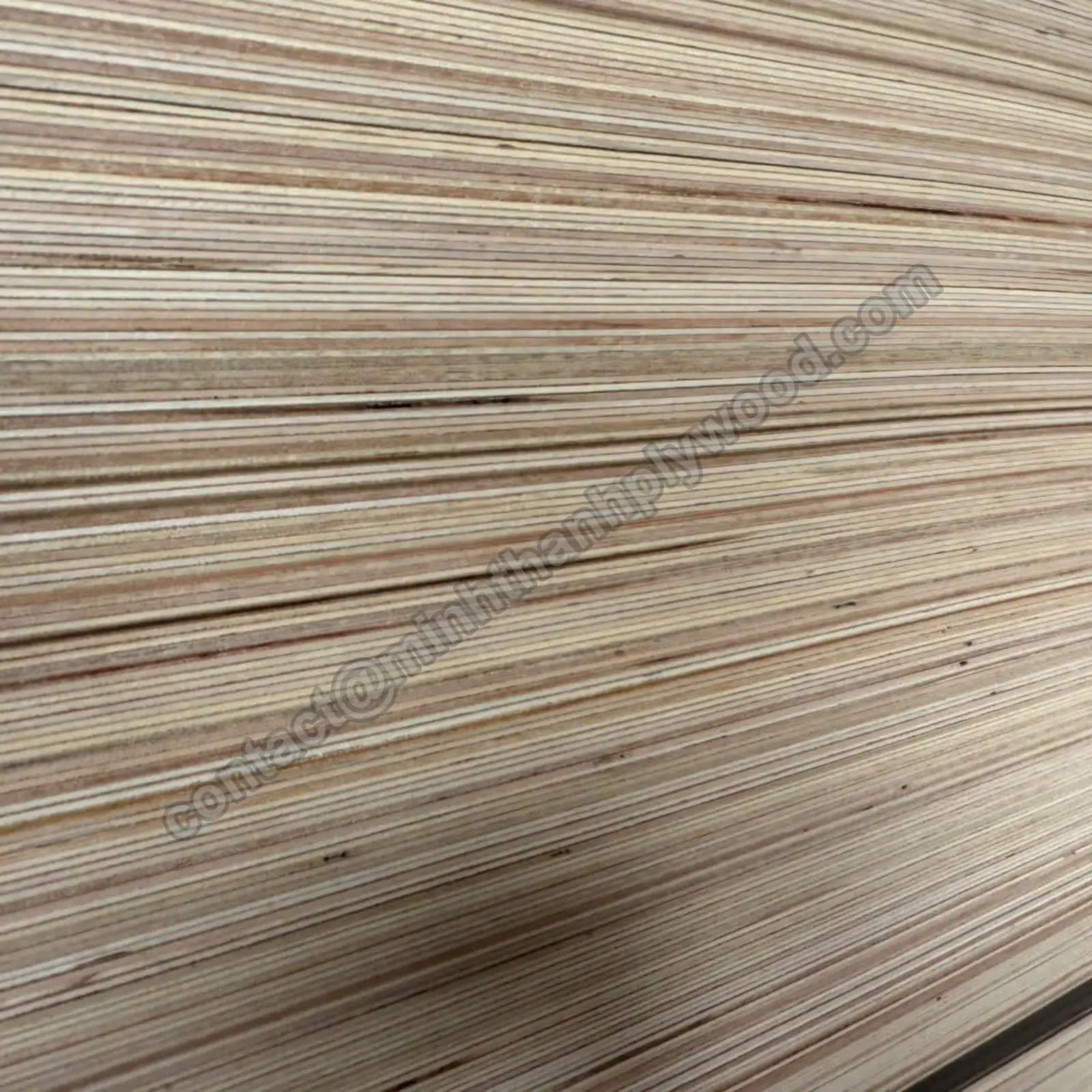
What does plywood RTD actually mean?
In APA sheathing terminology, RTD means Rated, and RTD Sheathing is shorthand for Rated Sheathing. The name is a shortened product description rather than a new wood species or a separate premium grade. A buyer searching for plywood RTD should start by identifying the complete panel designation behind the shortened listing.
APA’s Help Desk explanation, consulted 8 October 2026, states that rated sheathing can be plywood or oriented strand board (OSB) and can fall under PS 1 or PS 2. The useful first purchasing question is therefore simple: which material and which qualified product is being offered? An abbreviated stock description does not settle that question.
Request a photograph of the complete panel mark and the supplier’s technical sheet. Record the material, grade, performance category or thickness, span rating and bond classification in separate fields. This produces a specification the factory, importer and receiving team can all read without relying on the interpretation of three letters.
The same approach works when a manufacturer uses RTD in its own marketing. Ask the supplier to map its catalogue term to the actual panel construction and product evidence. You can then compare the offered panel with the project requirement. The commercial label remains useful for locating a product, while the complete specification controls what gets purchased.
Why do some websites describe a temperature sensor?
Resistance temperature detector is a real sensor term, but it describes temperature measurement rather than a plywood performance class. Some plywood pages expand RTD that way and connect it to pressing control. That explanation should be kept separate from APA’s rated-sheathing terminology.
OMEGA’s RTD reference, consulted 8 October 2026, describes a sensing element whose electrical resistance changes with temperature. A mill can use temperature instrumentation in production. The instrument name alone does not identify veneer grades, roof capacity, bond classification or a preservative treatment.
For an importer, the practical response is to ask what the production claim changes in the offered specification. If the supplier describes tighter control, request the relevant quality-control records or test results for the product. Do not convert that process description into a blanket claim that the sheet is stronger, waterproof or qualified for a particular span.
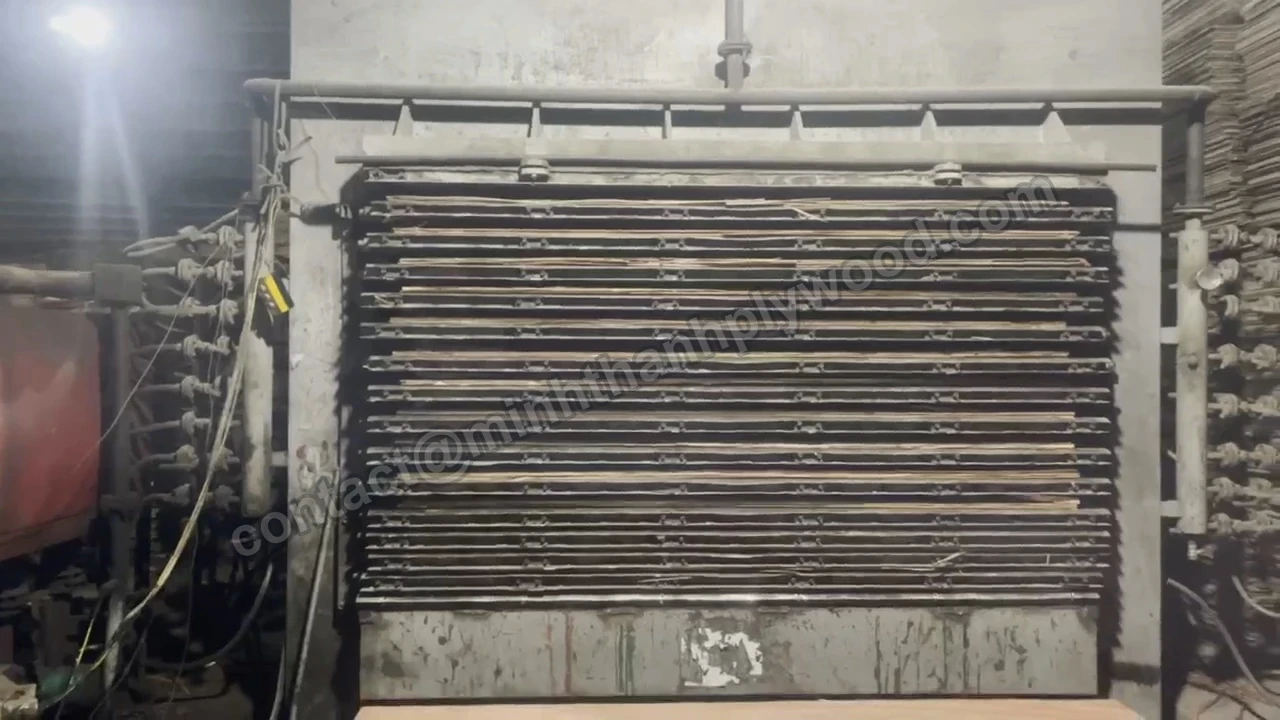
At the factory, a press-control discussion and a panel-acceptance discussion have different records. Process records describe how production was managed. Finished-panel measurements and qualification records describe what was supplied and what duty it meets. Keeping both in their proper place gives a buyer more useful evidence than trying to choose the best acronym explanation.
Which specification fields matter more than the abbreviation?
For US standards procurement, NIST runs the Voluntary Product Standards Program. For US indoor-panel compliance, 40 CFR 770.10 separately sets 0.05 ppm for hardwood plywood with veneer or composite cores. For export packing, ISPM 15 excludes processed plywood from its wood-packaging scope.
Material, structural grade, dimensions, bond and intended application matter more than an abbreviated product title. A buyer can turn an RTD listing into a useful enquiry by filling in these fields before comparing offers. The missing fields should be visible in the supplier comparison rather than hidden behind an apparently complete product name.
| Field | What the buyer needs | Why it changes the order |
|---|---|---|
| Material | Plywood explicitly, if veneer construction is required | RTD Sheathing can also describe OSB |
| Structural product | Named grade, standard and required qualification | Establishes the product submitted for load-bearing duty |
| Thickness | Required performance category or metric thickness and tolerance | Controls dimensions and the material submission |
| Rating | Required span or design properties | Allows review against the actual support and load schedule |
| Exposure | Specified bond classification | Selects the required moisture-exposure performance |
| Face and back | Appearance description and sample reference | Controls repairs, sanding and visible-surface expectations |
| Construction | Declared face/core species and layup reference | Connects samples and technical records to the offer |
| Treatment or facing | Separate requirement where specified | Avoids implying preservative, fire or reflective functions |
| Packing | Sheet count, pack labels and protection | Keeps material references clear through shipping and delivery |
The PS 1-22 structural plywood overview, consulted 8 October 2026, identifies construction, species, grading, bonding, dimensions and quality assurance as parts of the standard. That is the scale of information a structural buying specification needs.
Use one reference for the complete offered construction. If a factory changes the core or layup while retaining the same catalogue name, review the changed configuration under the agreed substitution process. A clear material reference makes that change easy to identify before production rather than during unloading.
How is RTD different from CDX and BCX?
RTD Sheathing identifies rated sheathing, while CDX and BCX are commercial plywood descriptions often used to discuss face appearance and construction stock. They are not three levels on one universal quality ladder. Compare the actual grade and documentation behind each listing.
| Comparison field | RTD Sheathing description | CDX-described plywood | BCX-described plywood |
|---|---|---|---|
| Main information | Abbreviated rated-sheathing designation | Common utility C/D face/back description | Common B/C face/back description |
| Material | Plywood or OSB unless stated | Plywood | Plywood |
| Visible face expectation | Follows the actual panel grade | Utility appearance | Better face appearance under the named grading system |
| Bond selection | Read the marked classification | Read the marked or declared classification | Read the marked or declared classification |
| Structural substitution | Match the complete qualified product | Review the exact offered panel | Review the exact offered panel |
| Finish decision | Specify sanding and face separately | Often concealed construction work | Often considered where face preparation matters |
At the sample stage, put the face/back expectation alongside the structural submission. A buyer selecting a visible painted panel needs the right surface as well as the right performance. A better-looking face can reduce finishing work, while a concealed sheathing application can use the specified utility appearance.
The CDX, ACX and BCX guide develops the face-grade comparison. On an RTD purchase order, keep the appearance field explicit even when the catalogue already gives the panel a structural-sounding name. This prevents a correctly rated but unsuitable-looking sheet from arriving for an exposed lining job.
What does the exposure classification tell you?
The exposure classification tells you the panel’s intended adhesive-bond durability under its product standard. It is a separate purchasing field from the sheathing abbreviation, species and face appearance. A supplier should identify that field directly rather than asking the buyer to infer it from RTD or from a generic water-resistant description.
APA’s Rated Sheathing datasheet, consulted 8 October 2026, lists bond classification alongside the other marked attributes. Keep the classification shown on the offered product in the technical submission. The project’s service environment then determines whether that product is acceptable for the intended assembly.
For factory quotations, state the required bond performance separately from the resin name. Minh Thanh offers exterior/CDX-type panels with melamine-fortified or phenolic bonds. The specified panel classification and technical requirements give that chemistry a defined job in the order.
Do the same with emissions. An emission requirement describes a different property from moisture durability. A low-emission interior panel is selected for its indoor application, and a construction panel is selected for its construction duty. If the order needs both properties, write both fields. Neither should be used as a shortcut for the other.
Can RTD plywood sheathing be used for a roof?
An RTD-described plywood panel can serve a roof when the exact qualified product meets the approved roof schedule. The enquiry should include the roof’s required panel grade, support layout, design loads and installation detail. Purchasing selects from accepted products rather than assigning a universal roof thickness to RTD.
APA’s plywood selection guidance, consulted 8 October 2026, distinguishes appearance grades, intended-use grades and ratings. For a roof, keep the roof rating connected to the selected thickness and exposure class. A structural mark is read as a complete record, not as one isolated number.
In the supplier comparison, add a row for the exact roof-covering requirements. The panel’s surface and fixing arrangement must work with the specified assembly. A panel acceptable for one roof schedule can still need a separate review for another covering, visible underside or edge detail.
Send the structural schedule with the enquiry for construction plywood. The roof-sheathing guide covers the practical thickness and installation questions in detail. An RTD stock title helps find candidate products; the schedule and product evidence establish which candidate the project can use.
What changes when the panel is used for walls or floors?
Walls and floors require their own performance and installation specifications. A panel’s availability as sheathing does not make every roof, wall and floor use equivalent. The buyer should identify the component before asking the factory for a price or proposing a replacement.
For wall sheathing, record whether the panel carries a structural bracing duty and the fixing requirements of that wall design. For a floor, distinguish a load-bearing subfloor from a finishing underlayment. Those two layers can need different surface preparation, joints and product grades even when they appear together in one floor assembly.
At the quotation stage, keep separate lines for each use. If one approved panel can serve several components, preserve the approval record and allocate quantities by component. This gives the site team a clear installation package and makes the receiving inspection easier to organize.
A tongued edge, a sanded face or an alternative thickness should be treated as a defined product feature in the order. The factory needs to know whether it is compulsory, optional or a proposed substitution. The subfloor selection guide explains the floor duty; avoid borrowing a roof specification simply because both enquiries use the word sheathing.
Is RTD plywood suitable for visible indoor work?
Visible indoor work needs an appropriate face and finish specification in addition to any structural requirement. A utility sheathing face can be suitable for concealed construction and still create unnecessary filling or sanding for furniture. Buy for the finished part rather than treating every panel in an indoor building as an interior-furniture product.
Minh Thanh’s factory specializes in furniture and interior plywood, including sanded faces over white Styrax or Eucalyptus cores. Furniture-grade panels are pressed twice: the core board is pressed and calibrated before the face and back are pressed on. This is a separate manufacturing configuration from a generic sheathing enquiry.
For furniture or an architectural lining, describe the visible sides, finishing process and required face/back appearance. Include the emission requirement and the agreed sample. These details allow the factory to select veneers and surface preparation for the buyer’s actual production steps.
If a project needs both sheathing and visible linings, separate them in the material schedule and the packing labels. The product range offers the appropriate starting points for those enquiries. Buying both through one supplier can simplify communication while retaining a distinct specification for each product and duty.
Does RTD identify waterproofing, treatment or special strength?
RTD alone identifies none of those additional properties. Waterproofing belongs to the designed assembly and the stated material performance; preservative or fire treatment needs its own product description; structural capacity follows the qualified panel. Keep these questions as separate fields in the supplier review.
A useful procurement test is to remove the abbreviation from the quote and read what remains. If the offer then lacks a bond classification or structural product reference, add those requirements before agreeing the order. This exposes missing information without arguing over an informal catalogue name.
For treatment requirements, state the named treatment, intended use and documents the project calls for. The receiving team should be able to identify the treatment through the agreed product records. A dark glue line, a coating colour or an RTD title is not the required treatment description.
For water exposure, identify the full assembly: roof covering and flashings, wall protection or the floor’s intended environment. The water-resistance guide explains the separation between adhesive bonds and finished-panel use. A precise exposure brief makes panel selection more useful than asking whether every RTD sheet is “waterproof.”
How should an importer review a claimed manufacturing advantage?
Review a manufacturing advantage by connecting the claimed process to observable product checks and the required performance. A mill’s description of better temperature control can be useful information, but the buyer needs to know how that control is monitored and how the offered panel is accepted.
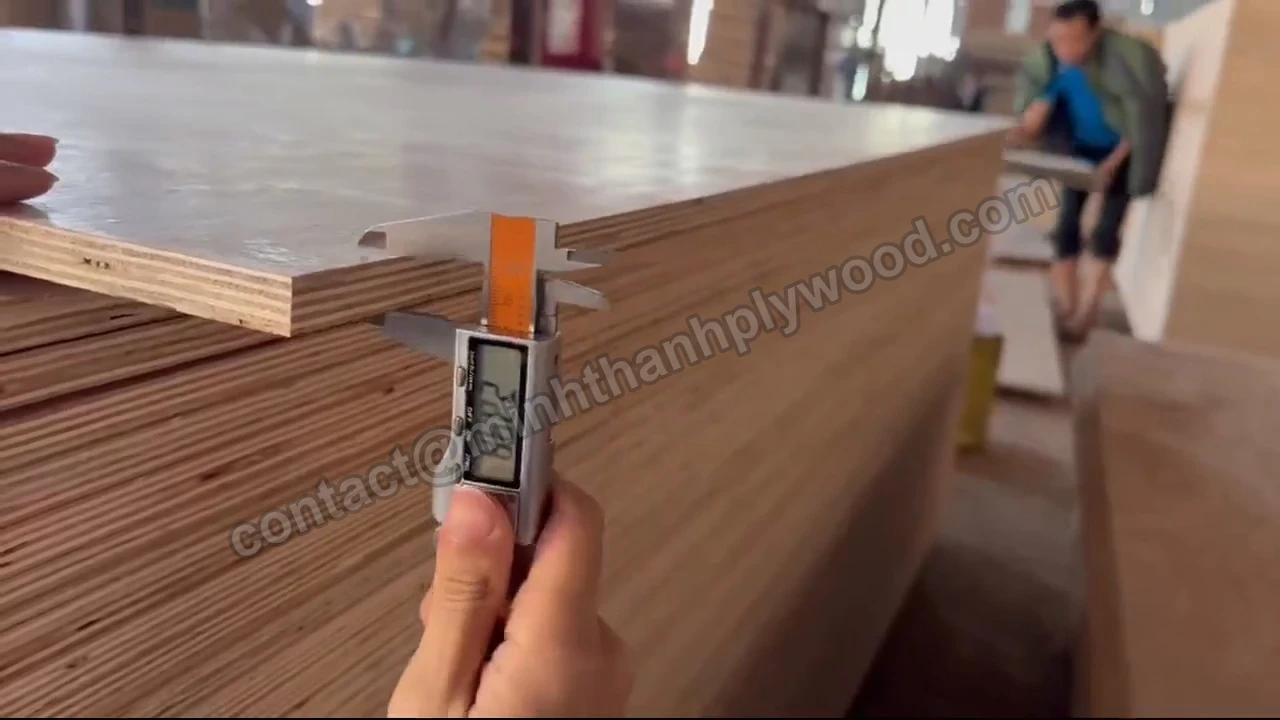
Ask for the production and inspection records relevant to the offered configuration. These can include dimensional inspection, agreed bond tests and traceability to the delivered material. Keep the test method, specimen construction and result together so the record answers a clear purchasing question.
For an export programme, agree what inspection evidence the supplier provides before loading. A photograph can show face appearance, pack protection and a dimensional check. A report establishes the result of its stated test. Each item should keep its own role rather than being presented as universal proof of roof suitability.
The quality-control overview explains Minh Thanh’s manufacturing and document approach. For a buyer, the useful outcome is an acceptance package with explicit requirements: which dimensions are checked, which appearance sample controls the faces, which qualification covers the structural duty and which labels connect the shipment to the order. That package remains useful even if the supplier changes its catalogue terminology.
How do metric export panels compare with an RTD stock listing?
Compare metric export panels through their exact dimensions and qualified configuration rather than through a rounded stock description. A retail listing and a factory quotation can use different naming conventions. The importer should translate the project requirement into an unambiguous manufacturing specification before requesting production.
Minh Thanh’s standard sizes include 1220 × 2440 mm and 1250 × 2500 mm, with custom sizes available. State which dimension the project requires and whether any alternative fits its framing or cutting plan. A larger sheet can change cutting yield or handling without changing the required panel qualification.
For thickness, identify whether the requirement is a nominal metric dimension, a minimum dimension or a stated performance category. Put the agreed tolerance next to that requirement. The thickness guide explains the measurement distinction; the sheet-size guide covers format selection.
Keep container planning downstream of the approved product choice. Once the panel is fixed, calculate sheet quantity and mass, add packing and check the booking payload. The commercial team can then discuss mixed specifications or shipment phasing without changing the roof or floor material merely to fit a familiar RTD stock size.
What should the final RFQ and delivery check contain?
A final RTD plywood request should describe a complete panel and a defined acceptance package. The following sequence gives the factory the manufacturing brief and gives the importer a clear way to compare delivered goods with the approved offer.
- Name the application and destination, with the structural schedule where relevant.
- Specify plywood explicitly and provide the required product grade, standard and qualification.
- State the thickness or performance category, required rating and bond classification.
- Describe face/back appearance, declared core construction, dimensions and edge profile.
- Attach the approval sample reference and relevant installation or finishing requirements.
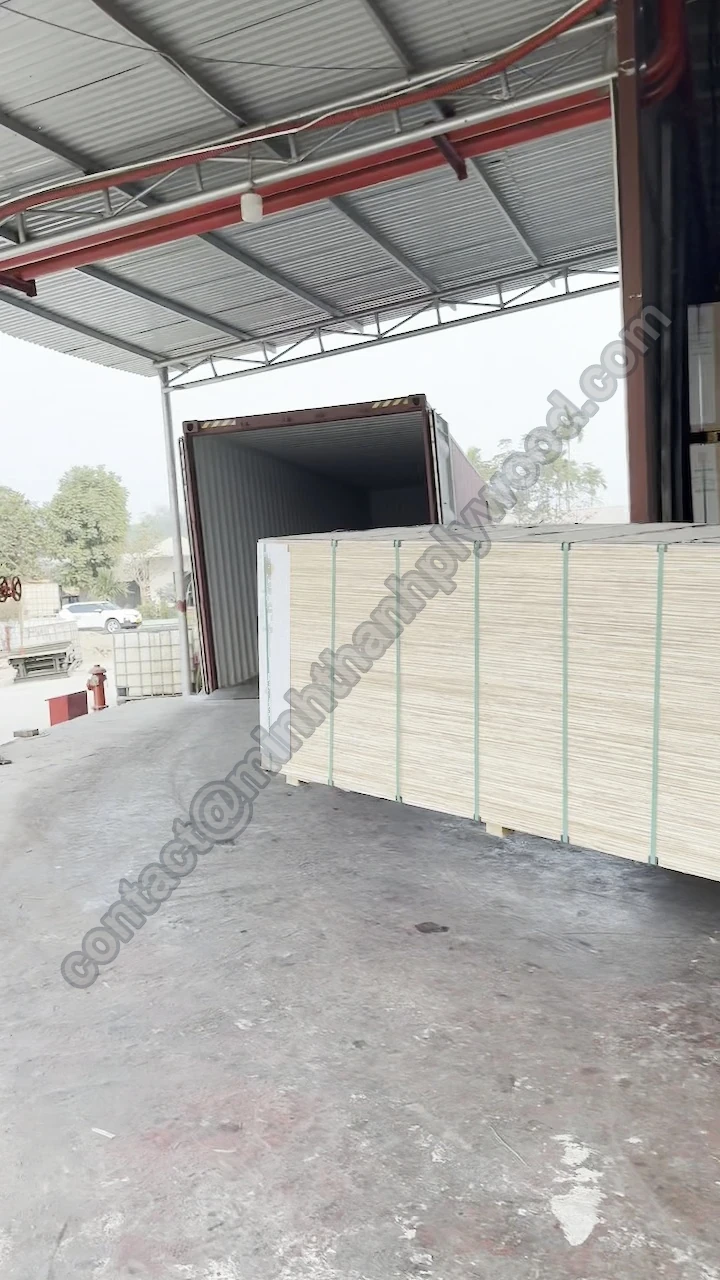
- Agree pack identification, quantities, protection and pre-loading evidence.
- At delivery, match labels and documents, inspect physical condition and check dimensions under the agreed inspection plan.
This process is especially useful when the source quote only says “RTD.” The buyer can keep that familiar name as a stock reference while adding the information that controls production and project acceptance. The full material description should remain the same across the quote, purchase order and packing list.
Minh Thanh provides free samples and photographs and films shipments before loading. Send the required structural specification and your panel schedule through Contact, including size, core, face, bond, quantity and destination. Begin with the exterior/CDX-type range for construction enquiries and select the separate furniture range for visible interior production.
Buyer questions, answered
What does RTD stand for on plywood?
APA defines RTD as Rated and explains RTD SHG or RTD Sheathing as shorthand for Rated Sheathing. Read the full panel designation to identify its material, structural rating and bond classification.
What is RTD plywood sheathing?
In rated-sheathing terminology, RTD plywood sheathing is plywood identified for a sheathing duty under its product qualification. The order still needs the exact grade, thickness or performance category, span rating and exposure classification.
Does RTD mean resistance temperature detector?
Resistance temperature detector is the name of a temperature sensor. That explanation appears in plywood marketing, while APA's sheathing terminology uses RTD to mean Rated; neither a sensor claim nor the abbreviation alone supplies a complete panel specification.
Is RTD plywood always CDX?
RTD Sheathing and CDX describe different information. Rated Sheathing identifies an intended structural panel use, while CDX commonly describes a utility-face plywood product; compare the exact grade and bond on the offered panels.
Is RTD plywood always Exposure 1?
The exposure classification is a separate field in the product marking. Purchase the classification required by the project rather than assigning Exposure 1 from RTD in a catalogue title.
Can RTD sheathing be OSB?
Yes. APA's explanation covers rated sheathing made from either plywood or OSB, so specify plywood explicitly when veneer construction is a requirement.
Is RTD plywood waterproof?
RTD is not a waterproof designation. Choose the specified bond classification and complete the roof, wall or floor assembly's moisture-control details.
Can RTD plywood be used indoors?
A qualified panel can serve an indoor structural duty when its product rating and installation meet the project specification. Visible furniture and finish-floor substrates also need the appropriate face, surface preparation and emission requirements.
Is RTD plywood pressure-treated?
RTD does not identify preservative treatment. If the application requires treatment, put the treatment specification and product documentation on separate purchase-order lines.
Can RTD plywood replace BCX?
A substitution needs the required structural performance and bond plus the BCX-described face quality when appearance or finishing matters. A rough sheathing face does not become a sanded B face because the sheet has a structural rating.
What should a supplier send for an RTD enquiry?
Request a legible complete panel mark, technical sheet, required structural evidence, installation instructions and traceability records for the offered product. Agree dimensions, face/core construction, bond, quantity and packing in the same material schedule.
Does Minh Thanh describe its panels as APA-rated RTD plywood?
Minh Thanh supplies exterior/CDX-type panels with melamine-fortified or phenolic bonds. Send the structural product qualification your project requires with the enquiry so the offered panel can be assessed against that specification.