
Rubberwood plywood uses veneers from Hevea brasiliensis in its specified construction. Rubberwood can describe the face, core or complete veneer layup, so name each separately. Also distinguish plywood from edge-glued solid rubberwood boards. Minh Thanh Plywood explains the purchasing checks and offers its established furniture-panel range for buyers comparing alternative constructions.
What is rubberwood plywood?
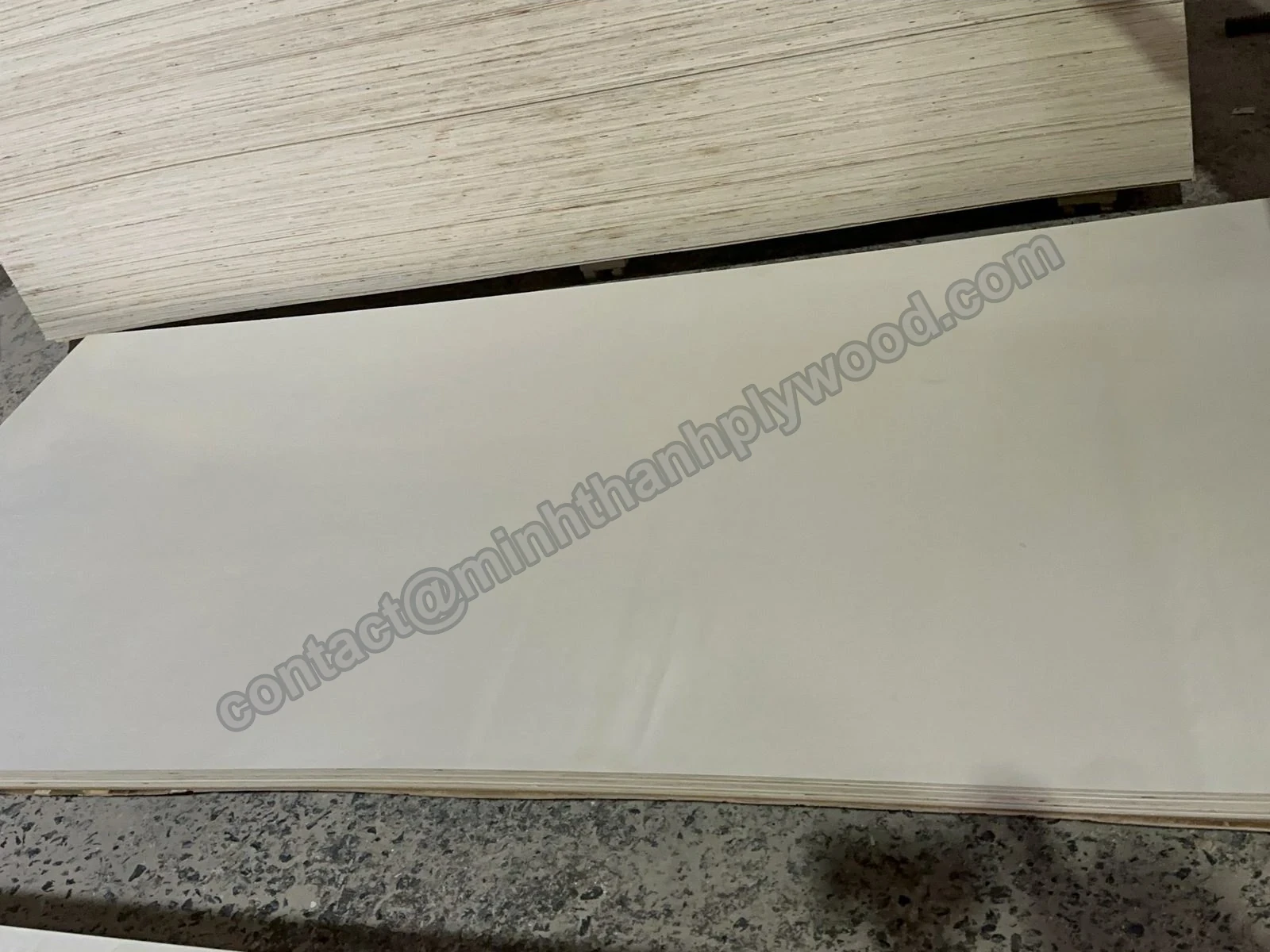
Rubberwood plywood is a veneer-based panel using Hevea brasiliensis in the construction described by the supplier. Rubberwood is also known as heveawood or parawood. Its name identifies timber from the rubber tree, while plywood describes how veneers are assembled into a panel.
The FAO study on rubberwood utilization, checked on 8 October 2026, explains the species and its development as a furniture and wood-panel resource. Rubberwood is commonly obtained when plantations replace trees used for latex production. That origin story explains the material; it does not establish the specification of an individual plywood shipment.
The important purchasing distinction is where rubberwood appears. A panel can have a rubberwood face, a rubberwood core or a full rubberwood veneer construction. Each description needs an explicit layup. Request the face, back and internal veneer species as separate fields rather than accepting the general material name.
An enquiry should also identify the end use. A furniture side, a decorative door and an industrial component can require different grades, preparation and tests. Begin with the finished part and then choose the construction that can be sampled and ordered for that job.
Rubber plywood and rubber wood plywood
Rubber plywood and rubber wood plywood are other spellings of the same product name, so the layup rules above apply to all of them.
Is rubber wood ply different from solid rubberwood board?
Rubber wood ply is different from an edge-glued solid rubberwood board because the two products are assembled from different timber forms. Plywood uses veneers glued with the grain crossed in alternate layers; a solid board uses sawn pieces joined to create the required width or length.
| Product description | Material arrangement | Edge appearance | Purchasing details to write |
|---|---|---|---|
| Rubberwood-faced plywood | Rubberwood outer veneer over a specified core | Veneer layers and a separate face | Face/back grade, core, layup, thickness and bond |
| Rubberwood-core plywood | Internal rubberwood veneers with named faces | Layered core under the selected faces | Core species, outer veneers, layup and intended use |
| Full rubberwood plywood | Rubberwood declared through the veneer construction | Veneer layers across the section | Complete species declaration and construction schedule |
| Edge-glued rubberwood board | Solid timber strips joined along their edges | Solid strips and longitudinal joints | Timber grade, strip layout, joint quality and dimensions |
| Finger-jointed rubberwood board | Timber pieces joined end to end and across the width | Solid timber with visible joint pattern | Finger-joint pattern, appearance and machining requirements |
A seller’s word “laminated” can refer to several of these products. A photograph of the end section helps identify the construction, but the written specification is still needed. Count and describe veneers where a plywood layup is intended; describe timber joints where a solid board is intended.
This distinction changes the component design. A deeply routed solid board shows timber and its joints, while a routed plywood panel can reveal its core. Approve the actual edge and profile before replacing one with the other.
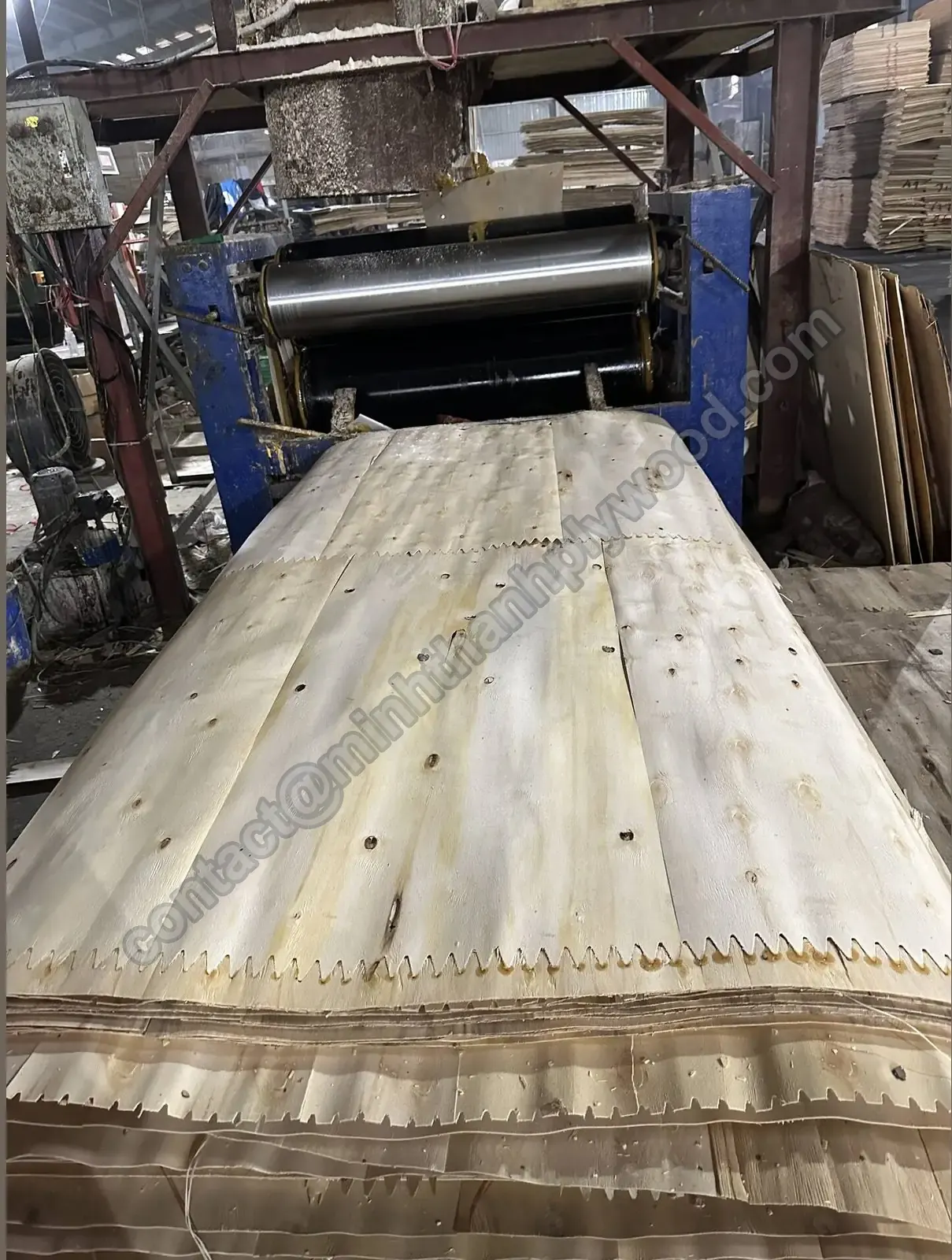
Generic veneer assembly reference; the timber species in this photograph is not identified as rubberwood.
What does the species name tell you about the face and core?
The species name tells the buyer which timber has been specified, but it does not locate that timber within the panel. Face, back and core need individual descriptions so the quotation can be checked against the sample.
For a rubberwood face, appearance is the first question: colour range, grain, repairs and the intended finish. The internal core then determines the construction being evaluated for machining and assembly. For a rubberwood core, the visible face can be another veneer entirely. Two panels with similar face colour can therefore have different internal species.
Ask the supplier to use a construction code linking the layer schedule to the quotation. Photograph the face and a clean sawn edge, record the finished thickness and retain the sample identifier. These simple controls keep a purchasing specification intact when staff change or an order is repeated.
A general term such as “hardwood core” is less useful than named species and an actual construction description. It does not explain veneer joints, thickness allocation or permissible core gaps. The buyer should define the practical acceptance checks in the order rather than trying to infer quality from a broad timber category.
Which furniture components deserve a rubberwood-panel trial?
Trial a rubberwood panel where the intended furniture component can be evaluated with its real joints, fittings and finish. Cabinet parts, furniture components and interior joinery are sensible contexts for a construction-specific comparison.
A cabinet side needs its groove, connector and visible face evaluated together. A drawer bottom needs the actual supports and assembly arrangement. A decorative door needs both appearance and flatness under the chosen finishing schedule. Those are different sample tasks even if the purchasing department calls all of them furniture plywood.
For an exposed edge design, inspect the layered appearance after cutting. If the design calls for lipping or edge banding, trial the adhesive and finishing system used in production. Include any routed openings or hardware recesses that can expose the core or place a fitting near an internal joint.
Do not replace the component evaluation with a species ranking. A denser timber can give a different handling feel, but the finished panel’s construction, thickness and assembly determine whether it performs in the furniture. The practical comparison is an accepted finished part from each candidate panel, with the production steps recorded.
Minh Thanh’s furniture selection guide organizes those tests by component and offers a framework for comparing alternative veneer-core panels.
How do moisture, treatment and service exposure affect the order?
Specify moisture condition, wood protection and service exposure separately when ordering a rubberwood panel. Those fields describe different parts of the requirement and should remain distinct from face appearance.
The Forest Research Institute Malaysia bulletin on timber durability, checked on 8 October 2026, identifies rubberwood as susceptible to biological deterioration. The practical purchasing response is to obtain the supplier’s timber-treatment information and define the intended service environment. A hardwood species description does not establish insect resistance or outdoor durability.
Ask what treatment has been applied, which part of the construction it covers, and how it interacts with the finish and adhesive system. The buyer’s workshop needs information relevant to machining and the intended finished article. Request the appropriate product and safety documents for any treatment specified.
Storage should protect the panel from wetting and provide appropriate support. A suitable bond does not make standing water, damp storage or unprotected edges irrelevant. If the finished furniture is exposed to humidity or occasional wetting, include that service in the component trial and use a bond specification that describes it.
Keep treatment and moisture records attached to the panel identity. A treatment statement for sawn rubberwood elsewhere in the supplier’s range is different from a record for the plywood being shipped.
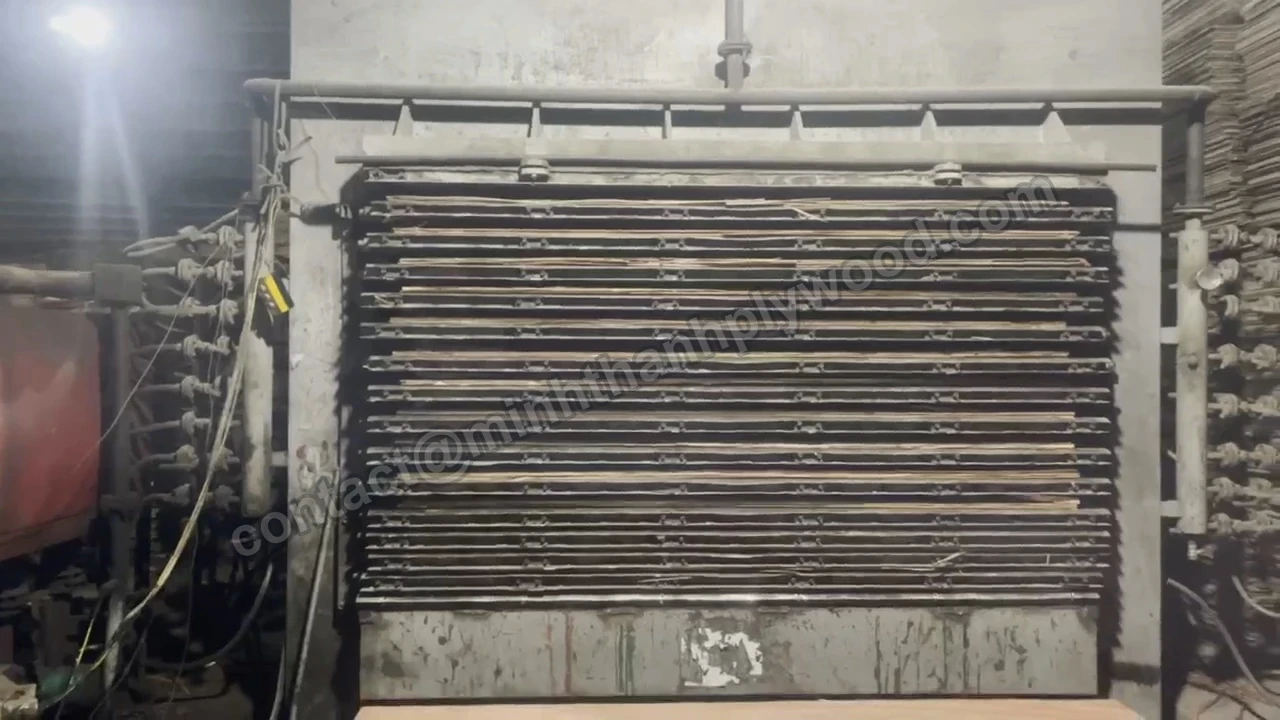
Generic plywood pressing reference; this is not a rubberwood treatment or production record.
What should you require for adhesive and emissions?
Write the adhesive or bond requirement and the emission requirement on separate lines. Bond performance addresses the panel’s specified service, while emissions concern the finished product and the applicable test conditions.
For a rubberwood-panel quotation, obtain the declared adhesive system and the test method attached to the emission statement. A familiar class name without a method leaves an importer unable to compare results properly. A report should identify the product construction, thickness and tested specimen.
Keep the intended use clear when deciding which records apply. Furniture plywood, structural panels and laminated members have different product categories and evidence requirements. A certificate attached to one product type should not silently become a claim for another.
Minh Thanh’s standard furniture plywood uses UF glue at E0 emission. Its published plywood evidence includes CARB Phase 2 / TSCA Title VI certification, ICTT mill no. 23024. That evidence belongs to the covered furniture plywood range. A buyer comparing rubberwood from another supplier should request that product’s own evidence rather than treating our records as evidence for the comparison material.
The Quality page supplies the relevant factory context for Minh Thanh’s established panels. Include your destination and required method in the alternative-panel enquiry so the sample and document request follow the same construction.
Can rubberwood plywood be specified for structural or exterior work?
Structural and exterior work require a product specification for that application, including relevant grade, performance data and service conditions. Rubberwood species alone does not define either requirement.
For a structural component, the designer needs the panel’s qualified data, orientation, support arrangement and connection details. A supplier’s density entry or a furniture sample trial is insufficient for a structural design. Buy the named product grade and the associated evidence that the project requires.
For exterior service, specify the bond, permitted exposure and protective detailing. Separate temporary construction exposure from permanent weather exposure. The finished article also needs suitable edges, connections and any required timber protection. Surface colour and veneer species cannot answer those service questions.
A plywood panel advertised for furniture should be compared within that use unless the supplier provides a separate application-specific specification. The same discipline applies to a solid rubberwood board. A solid timber name does not automatically qualify it for an exterior or load-bearing role.
Put the proposed use in the enquiry before requesting a price. If a building or engineering specification names a tested product, retain that identity through procurement, packing and installation rather than substituting by appearance.
How do you calculate sheet weight and loading quantity?
Calculate sheet weight from the finished dimensions and a density that describes the quoted panel. Then add packaging and limit the load by the actual booking weight and receiving constraints.
The calculation is length × width × thickness × density, with dimensions in metres and density in kilograms per cubic metre. A species reference for solid rubberwood is different from a finished-panel density. Veneer arrangement, adhesive, pressing and moisture affect the manufactured panel.
Ask for a measured sheet weight or a density reference tied to the sample construction. Record its moisture condition and whether the quoted value includes face veneers and glue. Use the same assumptions when comparing alternatives so a lightweight option is not evaluated with a different volume basis.
For pack planning, include pallets, bearers, protection and strapping. The number of sheets that fit geometrically is only one constraint. The cargo mass, lifting equipment and road or booking limits can reduce the practical load.
Minh Thanh’s standard furniture-core planning references are approximately 500 kg/m³ for Styrax and 650–750 kg/m³ for Eucalyptus. Those values describe our alternative constructions, not rubberwood. A comparative enquiry should show each panel’s own density input and measured sample result rather than copying one material’s figure into another.
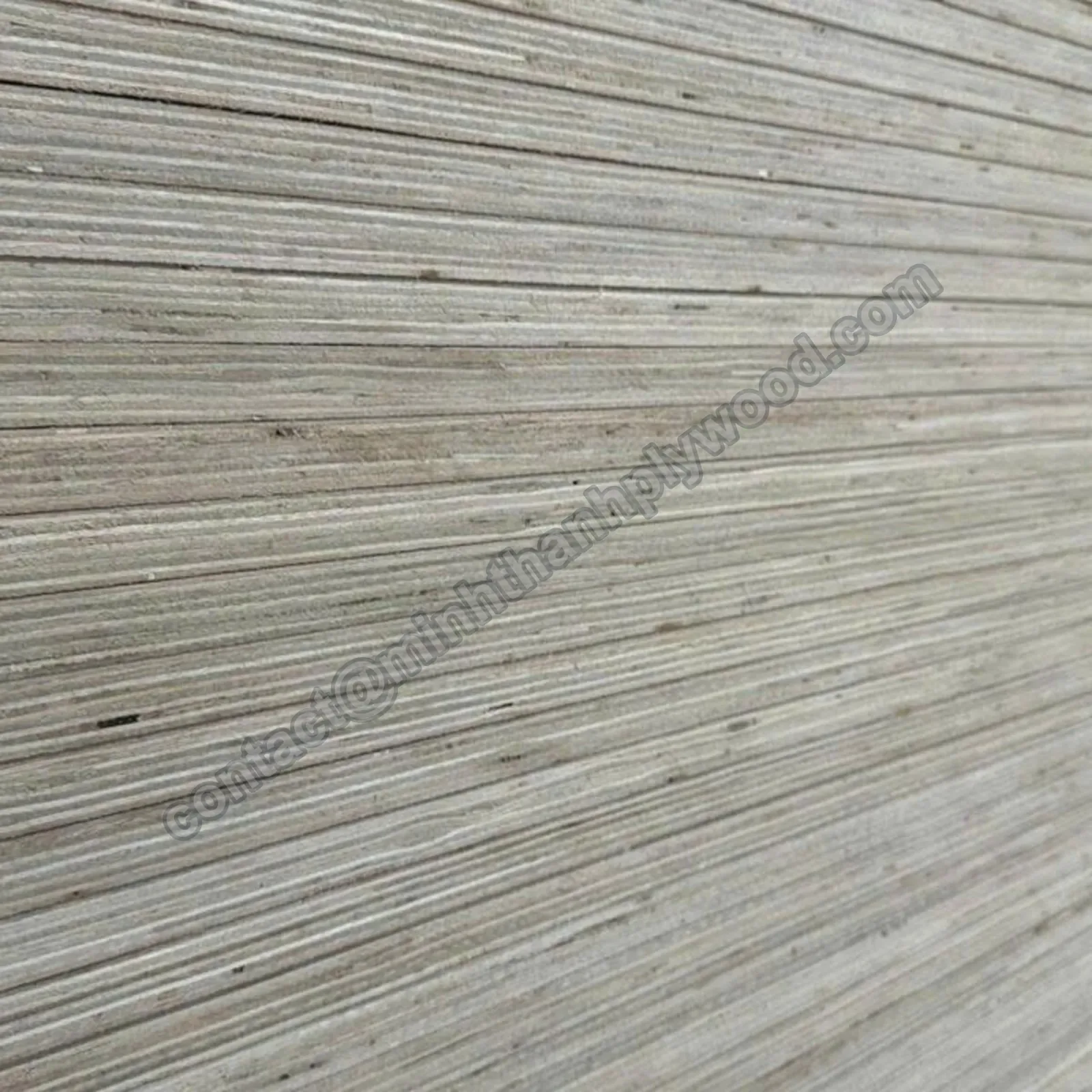
Generic plywood edge reference; use the actual ordered construction for density, weight and loading calculations.
What should the machining and hardware trial include?
The machining trial should include the actual cut, drilled hole, routed recess and hardware used in production. This reveals whether the chosen rubberwood construction fits the furniture component and the workshop process.
Compare cutting quality on both the main face and reverse. Inspect the sawn core at the planned fixing positions. A clean surface sample can still miss an internal joint that matters to an edge connector. Record the orientation and fitting location so the test can be repeated on the supplied construction.
Use the actual screw, insert or connector and the workshop’s hole preparation. Approve the assembled joint against the component’s requirement rather than a generic claim of good screw holding. If the part has repeated assembly or removal, include that operation in the trial schedule.
Route the intended profile and examine where it exposes layers. A supplier can quote a smooth outer face without knowing the design later cuts through it. Attach the profile drawing before requesting the sample so the accepted panel and edge treatment cover the real geometry.
Retain the successful machined sample with its face/back, core and adhesive description. For a new supplier or changed construction, repeat the relevant workshop checks before treating the product as a direct replacement.
How should you approve the appearance and finish?
Approve appearance on the actual face veneer after the intended finishing process. A pale timber description cannot define the colour or repair visibility that the finished furniture collection requires.
Request a representative surface area showing the permitted colour range, grain, patches and joints. Apply the full stain, primer or clear-coat schedule. Compare neighbouring components under the lighting used for acceptance so the sample represents an assembled product rather than an isolated raw swatch.
Specify face and back separately. An interior cabinet surface can remain visible after assembly even when it is called the back in the material schedule. Mark every exposed surface on the drawing before deciding which grade to buy.
For a solid rubberwood comparison board, include the colour differences between timber strips and any finger joints. For rubberwood-faced plywood, preserve the thin veneer during sanding and check the repairs after coating. Those details can determine the design choice more directly than the species name.
Minh Thanh’s established decorative faces include Pine, Birch, Poplar, EV and Okoume. Each provides a different appearance route over the chosen furniture core. Compare finished samples of those alternatives to the desired visual result rather than assuming a single pale face reproduces every rubberwood look.
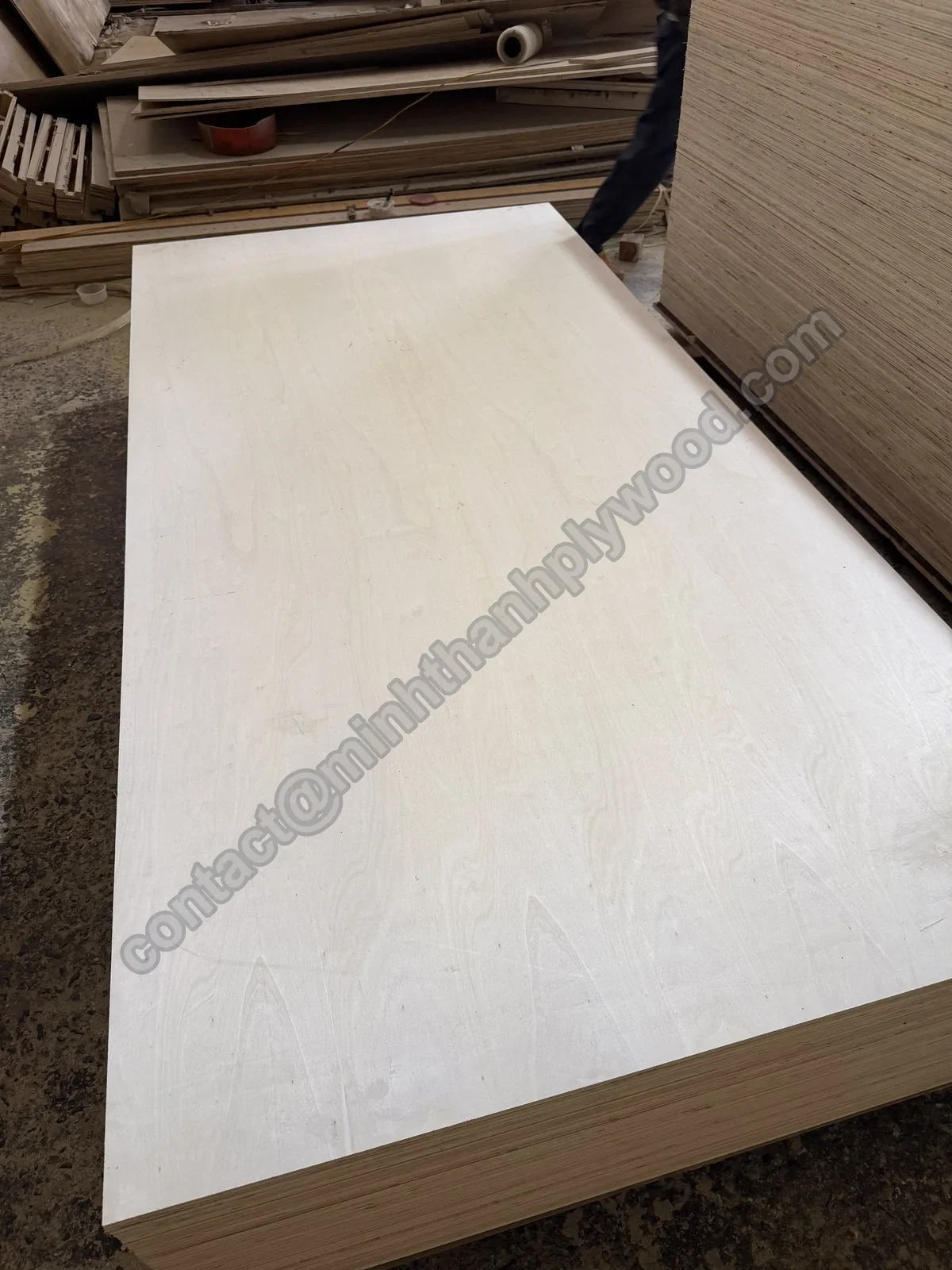
Poplar-faced furniture plywood shown as an alternative construction; this is not rubberwood plywood.
What origin records support a rubberwood purchase?
A rubberwood purchase should connect the declared species and harvest origin with the actual panel order. The fact that the species is grown for latex explains its supply chain, but the buyer still needs traceable shipment records.
Request species names for all veneers, the source country and the origin information required by the destination market. For EU-bound orders, Regulation (EU) 2023/1115 names rubber and wood among its relevant commodities. Check that invoice descriptions, packing marks and supporting records identify the same product. A face species declaration is incomplete when the core uses other timber.
If the order includes a chain-of-custody claim, write the exact claim into the purchasing requirement and connect it with the transaction documents. A general factory statement does not tell receiving staff what claim was ordered for a particular pack. Keep those records with the construction code and shipment identity.
Use specific sourcing language rather than broad “green” descriptions. Plantation origin, documented harvest records and named timber species are useful facts for a B2B buyer. Claims about the environmental status of a particular shipment need evidence tied to that shipment.
For Minh Thanh’s established plywood orders, we supply the EUDR compliance dossier with origin records and geolocation files. That is the document route for our ordered range. Keep any rubberwood comparison supplier’s origin package separate so the purchasing file shows the actual source of each construction.
How do you compare rubberwood with Styrax or Eucalyptus core?
Compare the complete rubberwood panel with complete Styrax- or Eucalyptus-core panels using the same finished component. Match the face requirement, thickness, bond, finish and testing so the trial measures an actual alternative.
The core names describe internal species, not a complete appearance or performance grade. A rubberwood-core panel under one face cannot be fairly compared with a differently prepared decorative panel without documenting the difference. Use a common component drawing and a separate material schedule for each specimen.
Minh Thanh’s furniture production uses stitched core veneers and double pressing. The core board is pressed and calibrated before the face and back are applied. Include that construction in the alternative specification and use the real hardware, edge treatment and finishing line for approval.
Styrax can be evaluated when lower panel mass is a priority; Eucalyptus provides the denser standard furniture-core route. Decide through measured sample weight, machining, assembly and accepted finished parts. Density alone should not determine which option the purchasing team chooses.
The veneer grading page helps separate appearance selection from the internal construction. The buyer can then compare a defined rubberwood reference with an established Minh Thanh furniture panel while keeping each material’s construction and origin records separate.
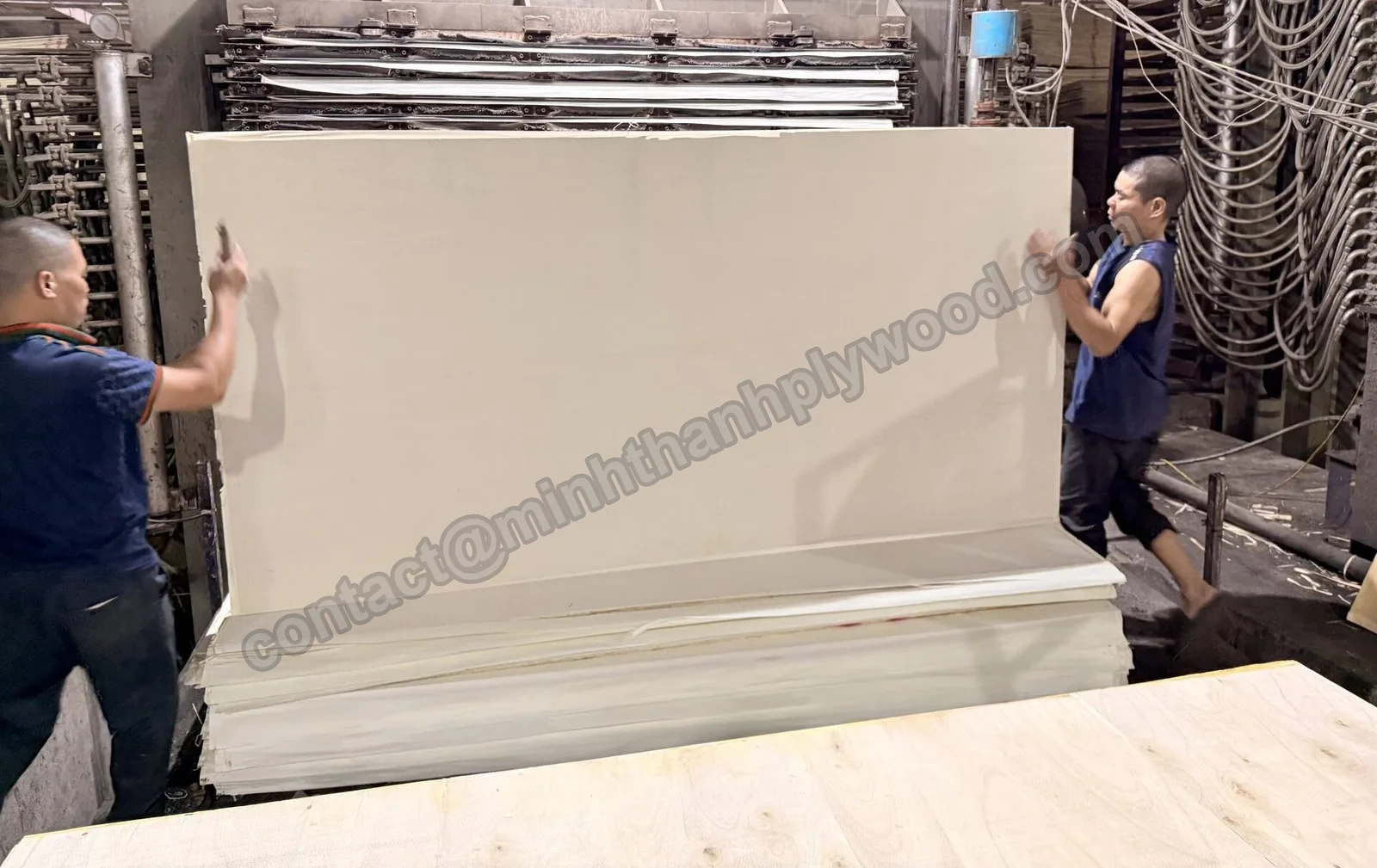
Face application in furniture-plywood production, relevant to the established panel alternatives discussed here.
How do you turn a sample into a repeatable order?
Turn the accepted sample into a written construction and inspection reference before ordering a larger quantity. A photograph of an attractive face is useful, but the record must also preserve the layers and processing requirements.
- Identify whether the reference is plywood or a solid laminated board.
- Record face, back, core species and the actual construction.
- Attach dimensions, tolerances, grain direction and the component drawing.
- List adhesive, service exposure, emissions and relevant treatment records.
- Trial machining, fittings, edges and the full finish.
- Keep the accepted sample code with the purchase order and packing marks.
Add quantities by material code rather than one aggregate volume. If two items look similar but use different cores, pack them so the receiving workshop can keep them separate. Include the drawing revision on the order where machining is required.
Agree the practical receiving checks before dispatch. Inspect pack condition, item identity, dimensions, face appearance and sample core edges against the ordered reference. Preserve pre-loading photos and the packing list with the receipt record. Those records help the buyer maintain continuity across repeat orders without relying on a salesperson’s memory.
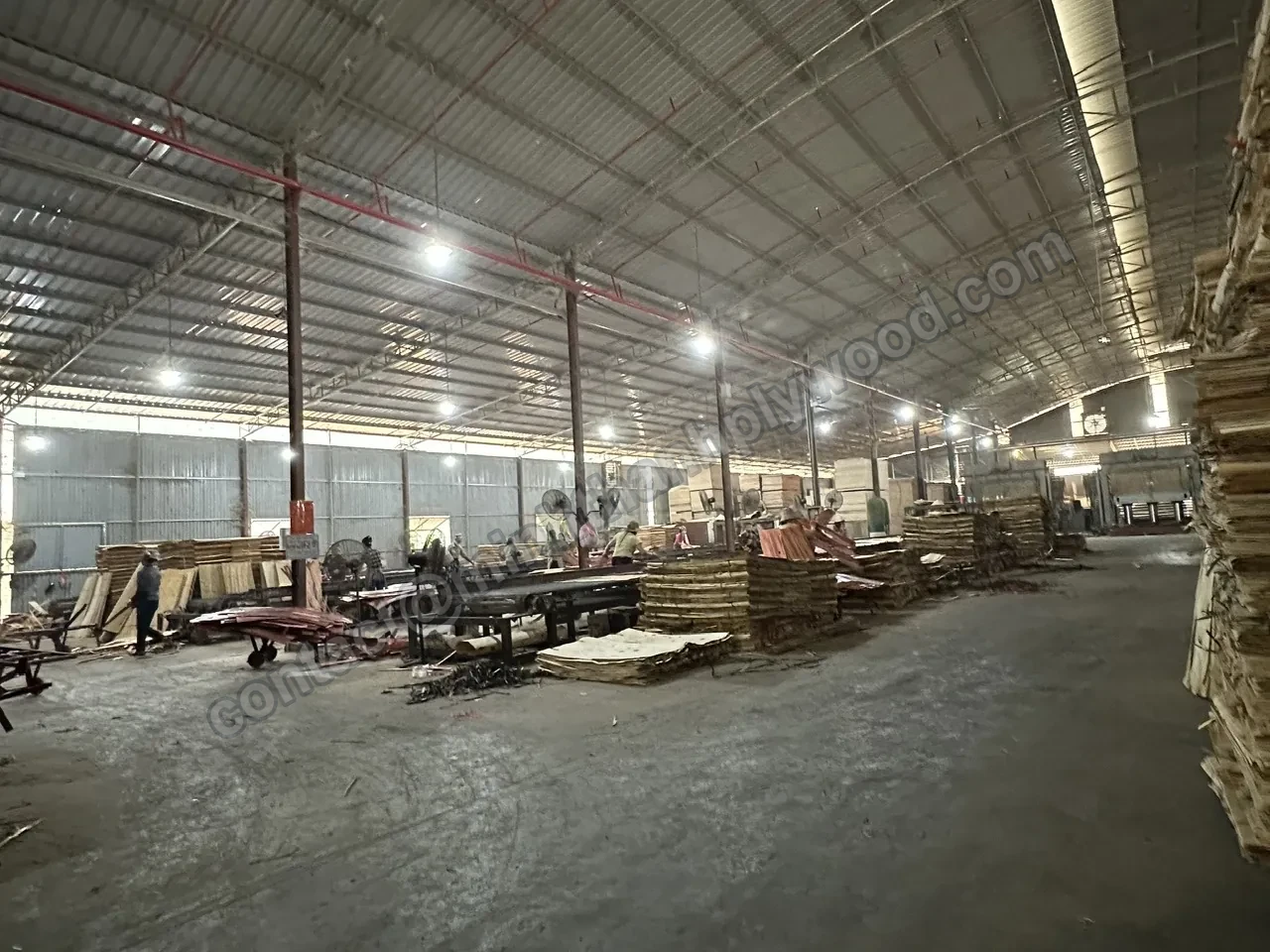
General plywood production reference; rubberwood origin and construction require their own product records.
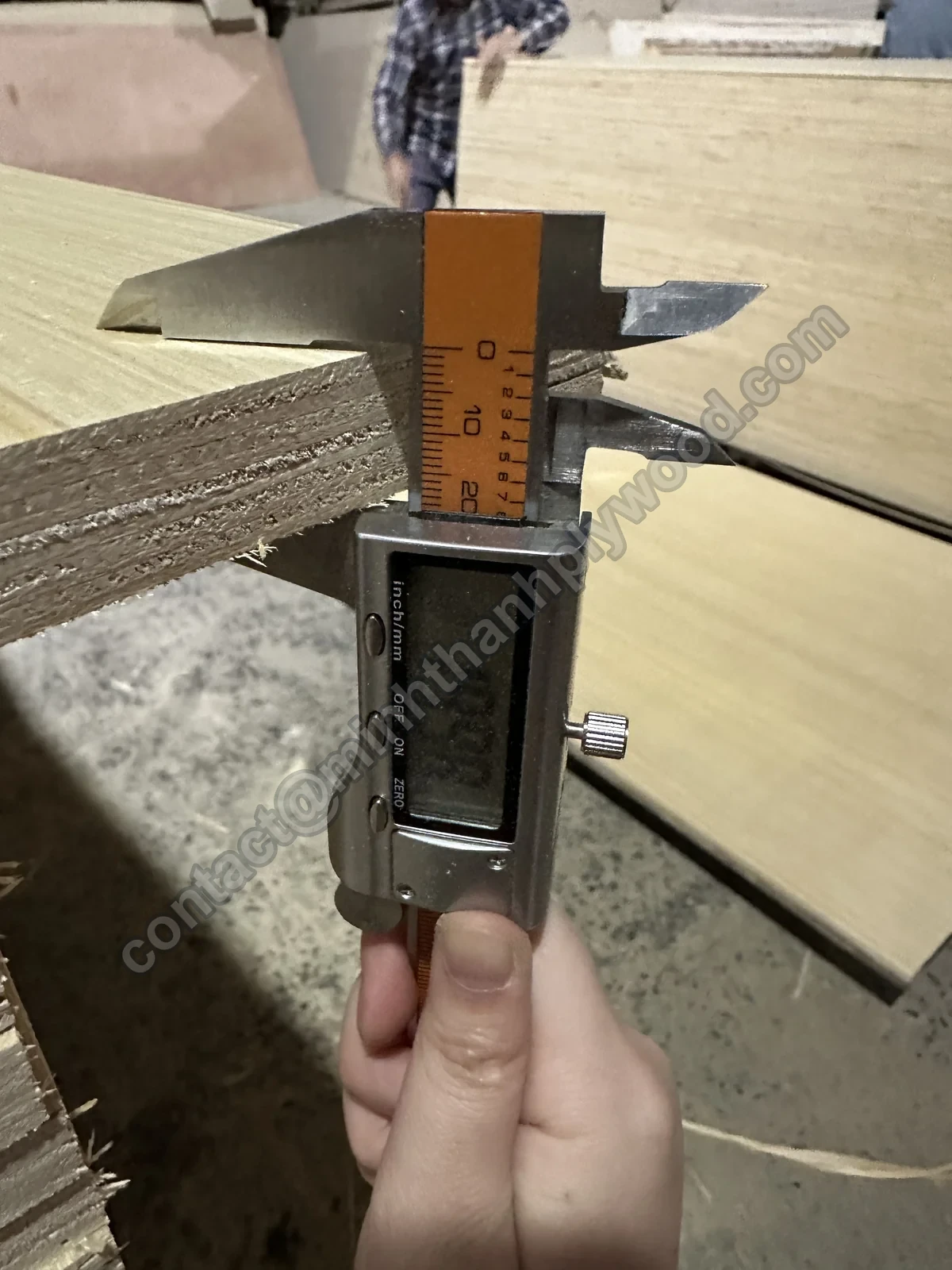
Generic plywood inspection reference; measure the actual ordered panel against its agreed tolerance.
What should you send for a Minh Thanh alternative-panel quote?
Send the finished component and a complete description of the rubberwood panel being used as the reference. We can quote an established furniture-panel construction for a sample comparison against that same job.
List the application, visible-face requirement, core, thickness and sheet dimensions. Add bond, emissions, surface preparation, hardware and edge treatment. Attach the grain direction and cutting layout, then provide quantities, packing and destination. This allows the proposed alternative to be evaluated without changing the furniture design implicitly.
Our standard furniture-panel formats include 1220 × 2440 mm and 1250 × 2500 mm, with thicknesses from 3–40 mm. Normal plywood orders start at one 40HC, with mixed specifications by agreement and production in 15–45 days after deposit. Those are Minh Thanh’s published order terms for its established range.
Free samples. Use Contact to send the specification, and use the furniture plywood page to select the face and core for the comparison. Keep the approved component, finish and construction code together so the eventual container order describes the panel your workshop actually tested.
Buyer questions, answered
What is rubberwood plywood?
Rubberwood plywood is a veneer panel that uses Hevea brasiliensis in its specified face, core or full layup. Identify those layers separately so the material name describes the actual construction being purchased.
Is rubber plywood made from rubber?
In timber trade descriptions, rubber plywood usually refers to rubberwood veneers from the rubber tree. It does not mean a sheet made from elastic rubber; obtain the written panel construction before comparing quotations.
Is rubber wood ply the same as solid rubberwood board?
No. Rubber wood ply has a veneer-panel construction, while solid rubberwood boards are often assembled from edge-glued or finger-jointed timber pieces. Their edges, machining and movement details are different.
Does a rubberwood face mean a rubberwood core?
No. The face and core are separate specifications. Ask the supplier to name the face, back and internal veneer species and describe the layup in the quotation.
What is rubberwood plywood used for?
Buyers evaluate rubberwood panels for furniture and interior components against the actual drawing, hardware and finish. The specified panel construction and test results determine whether it suits the component; the species name alone does not establish a rating.
Is rubberwood plywood naturally waterproof or termite resistant?
Rubberwood species does not establish either property. Specify the bond and service exposure separately, and request the wood protection and treatment information required for the intended use.
How heavy is rubberwood plywood?
Use the supplier's finished-panel density or a measured sheet weight at the stated moisture condition. Calculate mass from actual dimensions and that density, then add packaging for the shipment plan.
Can I use rubberwood plywood for structural work?
Structural work requires a qualified panel grade and engineering data for the actual application. A rubberwood description or furniture sample approval does not provide that structural specification.
What sourcing records support a rubberwood purchase?
Rubberwood puts rubber-tree timber into use, but a shipment's origin and environmental claims need traceable records. Keep species, harvest origin and the relevant chain-of-custody documents connected to the actual ordered product.
Does Minh Thanh advertise rubberwood plywood in its product range?
Minh Thanh's established furniture range uses white Styrax or Eucalyptus cores with decorative faces including Pine, Birch, Poplar, EV and Okoume. Use those complete constructions when comparing an alternative to a rubberwood specification.
What should I send when comparing a rubberwood panel with your furniture plywood?
Send the finished component drawing and the complete reference construction, including face, back, core, dimensions, bond and emissions. Add finish, hardware, quantity, packing and destination so an alternative can be sampled against the same job.